Get Engineered Siding Installation
Engineered siding installation services help property owners replace or upgrade siding to improve durability, appearance, and protection against weather-related damage.
Engineered siding installation is a practical choice for property owners looking to enhance the durability and appearance of their buildings. Whether planning a renovation or building new, selecting the right siding can improve weather resistance, reduce maintenance needs, and contribute to the overall value of a property. Exploring local contractors who specialize in engineered siding can help ensure the work aligns with the specific needs of the property and local building standards.
For those considering siding upgrades, comparing options among nearby service providers can provide valuable insights into the available styles, materials, and installation techniques. Engaging with experienced local contractors allows property owners to gather the information needed to make informed decisions about their projects. Keep reading to discover how to connect with qualified professionals who can support your siding installation needs.
- Residential homes - homeowners seeking to upgrade or replace existing siding for improved appearance and durability.
- Commercial buildings - businesses needing durable siding solutions to enhance building protection and curb appeal.
- Historic properties - owners of older structures looking for specialized siding installation that respects architectural integrity.
- New constructions - builders and contractors requiring professional siding installation for new development projects.
- Renovation projects - property owners updating or remodeling exteriors to modernize or improve building performance.
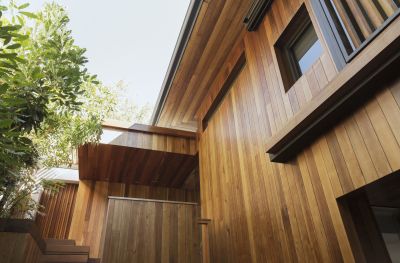
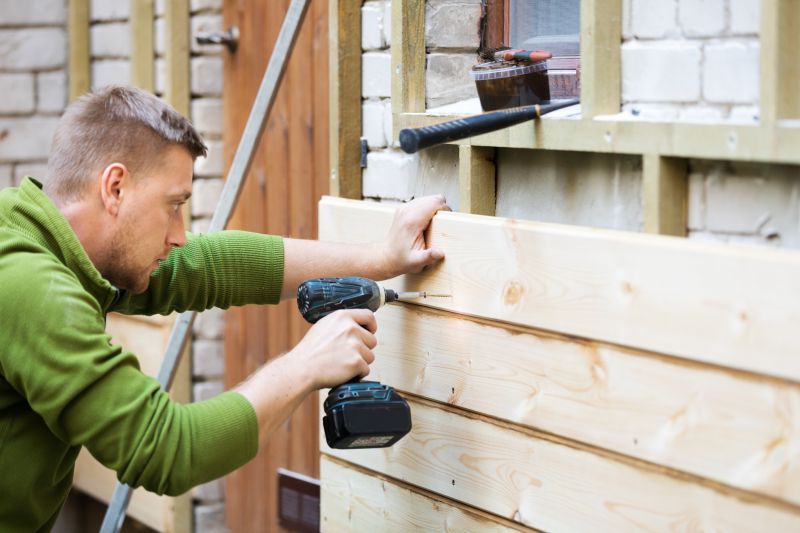
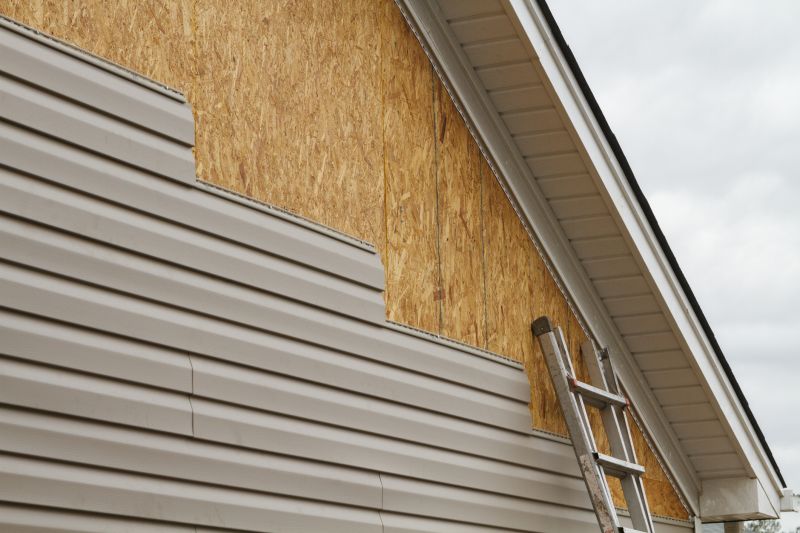
Engineered siding installation involves attaching specially designed siding materials to the exterior of a property to enhance its appearance and protect it from the elements. This service typically includes preparing the existing surface, measuring and cutting siding panels to fit, and securely installing them to ensure durability and a clean finish. Skilled contractors use precise techniques to ensure the siding is properly aligned and sealed, helping to improve the overall look and longevity of a home or commercial building.
Many homeowners turn to engineered siding installation to address common exterior problems such as rotting, warping, or cracking of traditional wood siding. Over time, exposure to moisture, pests, and weather can cause siding to deteriorate, leading to increased maintenance costs and potential structural issues. Installing high-quality engineered siding can provide a more resistant barrier against these issues, reducing the need for frequent repairs and helping to maintain the property's value and curb appeal.
Engineered siding is suitable for a wide range of properties, including single-family homes, multi-family residences, and small commercial buildings. It is especially popular in areas prone to harsh weather conditions, where durability and low maintenance are priorities. This type of siding is versatile and can be customized to match various architectural styles, making it a practical choice for homeowners seeking a long-lasting and attractive exterior upgrade.
Homeowners considering a siding upgrade often choose engineered siding installation when their current exterior shows signs of aging or damage. It can also be a strategic choice for those looking to improve energy efficiency or update the appearance of their property. By connecting with local service providers who specialize in this work, property owners can find experienced contractors capable of delivering quality results that meet their specific needs and preferences.
The overview below groups typical Engineered Siding Installation projects into broad ranges so you can see how smaller, mid-sized, and larger jobs often compare in your area.
In many markets, a large share of routine jobs stays in the lower and middle ranges, while only a smaller percentage of projects moves into the highest bands when the work is more complex or site conditions are harder than average.
Smaller Repairs - minor siding repairs typically cost between $250 and $600 for many routine jobs. These projects often involve patching or replacing small sections and tend to fall within the lower to mid-range costs. Fewer repairs reach the higher end of this spectrum.
Partial Replacement - replacing sections of siding usually ranges from $1,000 to $3,000 depending on the size and materials used. Many projects in this category are mid-scale and fall comfortably within this range, with larger or more complex jobs reaching higher costs.
Full Siding Replacement - complete siding installations generally cost between $5,000 and $15,000, depending on the home's size and siding type. Larger, more intricate projects can exceed this range, but most fall within the mid to upper tiers.
High-End or Custom Projects - premium siding installations with custom materials or extensive detailing can surpass $20,000. These projects are less common and typically involve larger homes or specialized designs handled by experienced local contractors.
Actual totals will depend on details like access to the work area, the scope of the project, and the materials selected, so use these as general starting points rather than exact figures.
Siding Repair and Restoration - local contractors skilled in siding repair often have experience with installing engineered siding, ensuring proper surface preparation and finishing techniques.
Exterior Cladding Installation - professionals who handle exterior cladding projects are familiar with various materials and planning processes similar to engineered siding installation.
House Wrap and Weatherproofing Services - experts in weatherproofing work on building exteriors, requiring knowledge of siding systems and proper application methods.
Home Exterior Renovations - general exterior renovation projects involve planning and executing siding updates, making use of similar tools and skills as engineered siding installation.
Custom Wood and Fiber Cement Siding Projects - contractors experienced with custom siding materials are well-versed in the installation techniques relevant to engineered siding systems.
New Construction Exterior Finishing - builders involved in new construction often coordinate engineered siding installation as part of comprehensive exterior finishing services.
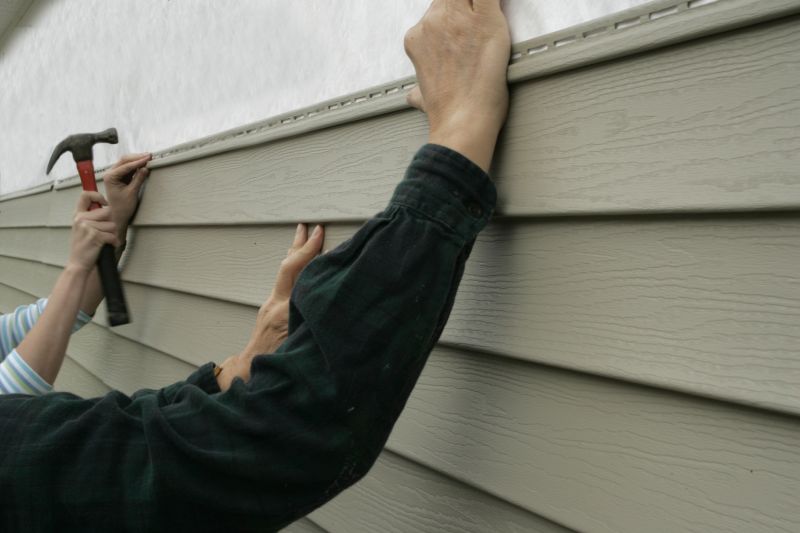
When comparing service providers for engineered siding installation, it’s important to consider their experience with similar projects. Homeowners should seek out local contractors who have a proven track record of successfully completing siding jobs comparable in scope and complexity. Asking about previous work can provide insight into their familiarity with different siding materials, installation techniques, and any unique challenges that may arise during the project. A contractor’s history with similar projects can help gauge their expertise and confidence in delivering quality results.
Clear written expectations are essential to ensure that both the homeowner and the contractor are aligned on the project’s scope, materials, and deliverables. When evaluating local pros, it’s beneficial to review detailed proposals or estimates that outline the work to be performed, timelines, and the responsibilities of each party. Having these expectations documented helps prevent misunderstandings and provides a reference point throughout the project, making it easier to address any questions or concerns that may come up along the way.
Reputable references and effective communication are also key factors in selecting a reliable service provider. Homeowners should ask for references from past clients who had similar siding installations to gain insights into the contractor’s professionalism, workmanship, and ability to meet expectations. Additionally, good communication throughout the process-such as responsiveness to questions and clarity in discussing options-can make the experience smoother and more transparent. It’s important to work with local contractors who prioritize clear, consistent communication to ensure the project progresses as planned and any issues are promptly addressed.
Property owners use Engineered Siding Installation services for practical projects around their homes and businesses. This guide focuses on everyday jobs and straightforward project options.
Engineered siding installation is a common project for property owners looking to improve the durability and appearance of their buildings. Local contractors often handle jobs such as replacing old or damaged siding, upgrading to more weather-resistant materials, or updating the exterior for a fresh look. These projects are typically driven by the need to protect the property from the elements, enhance curb appeal, or prepare a home for sale.
Property owners in the area may seek engineered siding services to address issues like aging siding, moisture damage, or to improve energy efficiency. Local service providers can assist with selecting the right type of siding and ensuring proper installation to meet the specific needs of each property. Connecting with experienced contractors can help property owners achieve a long-lasting, attractive exterior that withstands the local climate.
What types of engineered siding do local contractors typically install? Local service providers often install various types of engineered siding, including fiber cement, engineered wood, and vinyl options, to suit different aesthetic and durability preferences.
How do local contractors prepare a home for engineered siding installation? Preparation usually involves inspecting the existing exterior, repairing any damage, and ensuring the surface is clean and suitable for siding application.
What are common steps involved in the engineered siding installation process? The process generally includes measuring and planning, removing old siding if necessary, installing a weather-resistant barrier, and then applying the new engineered siding securely.
Are there specific maintenance requirements for engineered siding installed by local service providers? Maintenance typically involves regular cleaning and inspections to check for damage, with some types requiring periodic sealing or repainting.
What should be considered when choosing a local contractor for engineered siding installation? It’s important to review their experience with siding types, verify references or reviews, and ensure they follow proper installation practices for quality results.
Enhance curb appeal - Engineered siding can improve the exterior look of a home, making it more attractive and increasing its overall value.
Improve weather resistance - Property owners can use engineered siding to better protect their homes from harsh weather conditions.
Update aging exteriors - Replacing worn or outdated siding with engineered options offers a fresh, modern appearance.
Increase insulation - Engineered siding can contribute to better energy efficiency by adding an extra layer of insulation to the home’s exterior.
If you are thinking about Engineered Siding Installation for a property, this guide is meant to help you understand the work, the typical project types, and how different options might fit your plans.
When you are ready, you can use the quote form on this page to share a few details about your project. From there, local pros can review the basics and respond with options that match what you have in mind.